


Hot Topic Highlight – Subsidence
- Feb 10
- 6 min read
Building a Better You
Property Elite’s sole aim is to build better property professionals - supporting your career every step of the way, whether you are an AssocRICS or RICS APC candidate or a MRICS or FRICS Chartered Surveyor simply seeking engaging CPD.
We provide a wide range of training and support, so why not find out more on our website about how we might be able to support you? We work with candidates across all RICS APC and AssocRICS pathways, routes to assessment and geographic regions.
Don’t forget to sign up online for your free 15 minute AssocRICS or RICS APC consultation, including a review of your referral report if you have been referred. You can also book your bespoke training or support services directly through our eShop.
Not sure about signing up? Make sure you read what our recent successful candidates have to say in our Testimonials.
What is this blog about?
In this week’s blog, we look at subsidence – a potential cause of cracking in buildings.
This is essential reading for RICS APC and AssocRICS candidates pursuing the Building Pathology and Inspection competencies.
What is subsidence?
RICS define subsidence in their Consumer Guide as;
‘The downward movement of the foundations of a building due to changes in the supporting strata’.
If the foundations move, then this can lead to movement and cracking of the above ground elements of the property.
Remember, there are many other causes of cracking in buildings – not just subsidence.
A competent surveyor advising on Building Pathology will be able to follow the trail, investigate the cause of the cracking and advise a client on the potential causes and remedies.
Why does subsidence occur?
Subsidence can occur when:
The property is built on shrinkable soil, such as clay. The moisture content of the underlying ground can, therefore, reduce (typically up to 1m in depth) in prolonged hot, dry weather
Similarly, if a property is built on clay soil, nearby vegetation can pull moisture into the ground leading to the underlying ground drying out. This is the most common cause of subsidence as the shrinkage due to the clay soil is exacerbated (by up to 6m in depth in drought conditions!) by the additional impact of the vegetation
A leaking drain or water main can wash away soil with a high sand or gravel content (e.g., chalk), leading to the underlying ground shrinking
Former mining activity leads to unstable underlying ground conditions and potential collapse of fill-in material
Modern foundations are far more substantial than foundations in older buildings, which helps them to deal with minor subsidence-related movement.
What are the physical signs of subsidence?
When inspecting a property, potential signs of subsidence include:
New or expanding cracks externally in masonry or internally in plasterwork
Ripped or crinkled wallpaper internally
Doors and windows sticking without any clear reason
Solid ground floors sloping or dipping
Subsidence-related cracks tend to be:
Diagonal
Wider at the top than the bottom
At least 3mm wide - but usually quite a lot wider than this
Located above doors and windows
We recommend reading BRE Digest 251 in relation to assessing cracks in houses and BRE Digest 471 relating to the tilt of low-rise buildings with particular reference to progressive foundation movement. We also have additional reading on cracking in our blog archive.
What advice should I give if I suspect subsidence?
You may need to recommend further specialist surveys or investigations are undertaken, e.g., geological (looking at soil moisture levels) or CCTV drain survey (if a leaking drain is suspected).
You may also need to recommend monitoring and measurement of subsidence-related cracks. This will require a tell-tale or crack gauge and should be for a period of 12 months (or more), which allows for seasonal fluctuations.
The tell-tale should be fixed over the crack and the gauge read on a regular basis (ideally every 4-8 weeks) to confirm if the crack is widening, and at what rate.
For a pre-purchase sale, the identification of subsidence is a substantial issue. It could lead to a substantial renegotiation of the purchase price or even withdrawal from the purchase, depending on the risk appetite and position of the client.
If you are advising the owner of a subsidence-affected property, then you should recommend that they contact their insurer and take steps to remedy the issue.
How can subsidence be remedied?
The remedy depends on the cause of the subsidence!
For example, if subsidence is caused by a leaking drain, then the issue needs to be remedied and the subsidence should cease. Drains, gutters and plumbing should be regularly maintained to avoid future issues.
Alternatively, if subsidence is being caused by a tree then the tree may need to be removed or pruned to manage the moisture that it draws out of the soil. Complete removal of an old, large tree may, however, in some cases cause further problems as excess moisture is returned to the soil, causing heave (upward movement of the building).
Some cracks caused by clay soils and which are up to 5mm wide (Category 2, BRE Digest 251), may be seasonal and open and close regularly. If they are not wider than this and close in the wetter, winter months, then regular redecoration may be sufficient to deal with them. Any cracks should be closely monitored in case they do not close regularly or become wider than 5mm.
If subsidence is severe and caused by underlying clay soil, then underpinning may be required. This involves repairing and reinforcing the foundations, e.g., injecting geopolymer resin into the surrounding soil, excavating underneath the foundations and adding concrete until more stable ground is reached, using concrete beams to support the existing foundation or installing piled foundations underneath the existing foundations.
Subsidence can be a costly issue to remedy, particularly where underpinning is required. However, this is usually a ‘last resort’ remedy and only required in around 5% of subsidence-affected buildings.
Most buildings insurance policies will cover subsidence-related damage to a property and it’s outbuildings, although with a substantial excess being payable. If the subsidence is caused by coal mining, then the claim is dealt with by the Coal Authority instead (although the buildings insurance provider should also be notified).
Homeowners should always check their policy wording in the event of a subsidence-related damage claim and notify the insurer as soon as a potential claim is identified.
The attitude of insurance companies to the risk of subsidence is potentially changing, with reduced appetite or high premiums required to insure buildings in high risk areas.
A real life-example…
On a recent trip to Gouda, Netherlands – we noted a severe example of subsidence (when Jen wasn't inspecting the delicious Gouda cheese - she took her job very seriously!).

This is well-documented and has a substantial impact upon the city’s residents. There is a wealth of research into the problem, with innovative monitoring being undertaken.
Gouda is built on underlying ground with a high peat content – which is similar to clay soil as it has a high moisture content. It has been reported that there is a 2m difference in height between the lowest and highest parts of the city due to the impact of subsidence.
Many historical buildings in Gouda also have shallow foundations, whilst the sewerage system is also historic and insubstantial. Both of these factors contributes to city’s subsidence problem.
The impact of subsidence is obvious in the below photographs. However, there are many other visual clues within the city, such as sandbags, raised thresholds, steps up to buildings, severe cracking, obvious patches of external damp and high canal water levels.


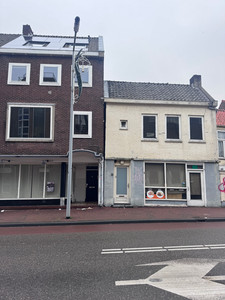
The widespread subsidence in Gouda is being dealt with by water regulation (using a polder to reduce the rate of subsidence) and engineered solutions. However, the long-term impacts will be costly and substantial.
How can we help?
Don't leave it too late to book your submission feedback and review, APC question pack, e-mock interview or 1-2-1 mentoring. We also provide revision quizzes, revision guides and a CPD Webinar Package.
We offer a range of short and long-term support packages in our eShop, including our popular Monthly Mentoring and Kick Start packages. These can include an RICS APC or AssocRICS Counsellor in certain circumstances.
Head to our blog archive to access even more free CPD and AssocRICS and RICS APC training and support.
Download your free AssocRICS and RICS APC resources, including e-books and revision quizzes.
Find out more about our bespoke AssocRICS and RICS APC training and support, before booking your free 15 minute consultation.
Not sure about signing up? Make sure you read what our recent successful candidates have to say in our Testimonials.
Stay tuned for our next blog post to help build a better you.
N.b. Nothing in this article constitutes legal, professional or financial advice.